| Dietary Supplements | Health Conditions | Healthy Nutrition | Natural Remedies | Skin Care | Metabolism | Cardiovascular Health |
Minerals
How to Avoid Iodine Deficiency Disorder
![]() |
|
30 Oct 2009 | Comments (0) |
Iodine Supplements: Do You Need More Iodine in Your Diet?

Today, there are many supplements that can be found for just about everything you may be lacking in, and iodine supplements are no exception. Iodine supplements are not usually necessary, as we generally get the necessary amounts of iodine our bodies need through a regular, healthy diet. However, if there is an iodine deficiency present, or if there is a need for added iodine to help support the thyroid to increase weight loss, then the answer may be yes, you do need them.
(more…)
26 Oct 2009 | Comments (0) |
Manganese As a Natural Arthritis Remedy

- Manganese plays an important role in a person’s good health
- Manganese can be an effective natural arthritis remedy, but it can also be important for arthritis prevention
- Not only can manganese deficiency be involved in arthritis, but it can have serious effects on overall health
1 Jul 2009 | Comments (0) |
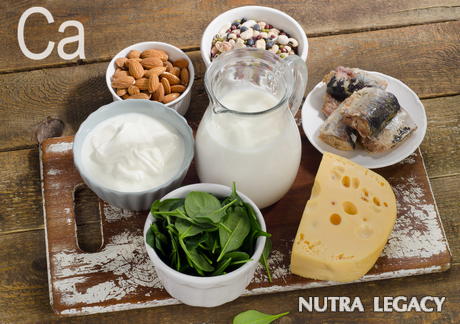
7 Richest Non Dairy Calcium Sources

- People need at least 1,000 mg of calcium per day
- Non dairy calcium sources that can help meet that need, including tofu and spinach
- Orange juice fortified with calcium and agar are two of the highest food with calcium choices
- Refried beans, sardines, and sesame seeds are also excellent calcium sources
31 May 2009 | Comments (0) |
Iodine Deficiency Can Cause Anxiety and Depression

- Iodine carries a wide variety of health advantages. The thyroid gland needs iodine to create its natural hormones. It also is an important element in the basic metabolic levels and processes within the body
- For a large portion of the world’s population, iodine deficiency is a problem but it’s beginning to decrease
- Sources of iodine include: yogurt, eggs, asparagus, garlic, strawberries and shellfish
30 Dec 2008 | Comments (2) |
Trace Mineral Complex Needed for Human Body

- Minerals play a crucial part in healthy nutrition. They play a role in metabolic and immune functions
- Trace mineral complex is a compound intended to provide a balance of each of the key minerals thought to be important for the body. Because food is becoming more deficient in many important minerals, implementing a trace mineral complex is increasingly necessary
- These complexes usually include minerals like copper, manganese, potassium, iodine and zinc minerals
2 Dec 2008 | Comments (1) |
Manganese Helps in Process of Forming Sex Hormones

- Manganese is often found in dietary supplements and is only found in very small amounts in the human body. It can help create healthy bones, improve blood clotting and help produce sex hormones
- Manganese also boosts carbohydrate metabolism and has a role in blood sugar regulation. It contains superoxide dismutase (MnSOD) which is an antioxidant that helps fight free radicals leading to the aging process
29 Nov 2008 | Comments (1) |
Iron Carries Oxygen in the Body

- Iron is an essential mineral for the human body. There are two types: heme iron and non heme iron
- The main function of iron is oxygenating the blood. It’s a constituent of blood in hemoglobin and can work to increase energy metabolism
- Some sources of iodine include: breads, cookies, pasta and fortified cereals
- Iron deficiency can reduce the number and size of red blood cells. To help, add more vitamin C and niacin to your diet
26 Nov 2008 | Comments (1) |
Molybdenum Aids Fat and Carbohydrate Metabolism

- Molybdenum is a trace mineral needed is small amounts. It supports the metabolism of xanthine oxide and sulfer amino acids
- Molybdenum aids fat and carbohydrate metabolism. It plays an antioxidant role which fights free radicals in the body
- Molybdenum deficiencies can lead to metabolic disorders
23 Nov 2008 | Comments (0) |
Potassium Helps Kidneys To Function

- Potassium is essential to help the kidneys function. It’s found in blood serum and red blood cells
- Magnesium assists in maintaining the potassium in cells. Losing excess weight and a program of exercise can improve the cardiovascular system as a solution to developing a healthier diet. Avoiding fast food is a good idea
- Potassium can be found in foods like: spinach, broccoli, bananas, avocados, apricots and fish
21 Nov 2008 | Comments (0) |
Natural Sources of Iodine

- You need iodine for proper functioning of the thyroid. Iodine advantages are found in a well-working thyroid. It combines amino acids to create thyroid hormones
- An iodine deficiency can lead to a goiter or hyperthyroidism. This then leads to weight gain, lethargy, slowed reflexes and hair loss
- Sources of iodine are fish, dairy products and especially iodized salt
19 Nov 2008 | Comments (6) |
Copper Stimulates Body Immune Functions

- Copper is required for growth and development of body tissues and organs. It plays a role in the process of red blood cells formation and can help regulate blood clotting, oxygen transport and nerve transmission
- Copper stimulates the immune function and helps fight free radicals which are partly responsible for the aging process
- Trace elements like copper can’t be produced by the body so they must be ingested from food or dietary supplements. Good sources include: seafood, nuts, whole grains, chocolate and legumes
17 Nov 2008 | Comments (0) |
Methyl Sulfonyl Methane (MSM) Improves Sulfur Deficiency

- Methly sulfonyl methane, a.k.a. dimethylsulfone MSM, is an organosulfur compound and is essential to every living cell. It provides sulfur
- It can be used to treat allergies, promote better circulation. Sulfur itself must be present for the metabolism of carbohydrates and the balance of the body with vitamin C
- MSM is non-allergenic and studies have found no side effects
17 Nov 2008 | Comments (1) |
Chromium Helps to Manage Blood Sugar Levels

- Chromium is an essential mineral for our bodies such as food digestion and can be found in a daily diet or through chromium supplements
- For most, dietary supplements aren’t necessary. Sources of chromium include: whole grains, bran cereals, potatoes, onions and tomatoes
- Supplements can improve HDL cholesterol and lower high cholesterol levels. They’re also helpful in building muscle and reducing triglycerides
- Too much chromium can lead to stomach problems and low blood sugar
16 Nov 2008 | Comments (0) |
Calcium Is Responsible for Healthy Bones and Teeth

- Throughout life, a good constant supply of calcium is required for healthy bones and teeth. Calcium takes two different forms. The first is bound tightly within bone. The second is found on the bone
- With the assistance of vitamin D,10-40% of ingested calcium is absorbed as it passes into the small intestine
- Consumption of alcohol, diuretics, sugar and coffee can increase calcium loss
- Functions of calcium can reduce the risk of osteoporosis and may help prevent periodontal disease
15 Nov 2008 | Comments (0) |
Zinc – A Very Important Mineral for Your Body

- Zinc minerals are essential for many crucial body functions. It can be found naturally in oysters, meat, nuts, beans, milk and whole grains
- Vegetarian diets can cause a zinc deficiency so for vegetarians a zinc supplement may be a good idea
- Zinc is important to the function of your immune system and the absorption of Vitamin A
14 Nov 2008 | Comments (0) |
Why Do We Need Selenium Supplement?

- Selenium serves an essential antioxidant function and assists the body’s immune system function. Selenium is found in soil which is absorbed by food plants and doesn’t diminish after processing
- Selenium deficiencies can worsen and iodine deficiency
- It’s believed to reduce certain types of cancer especially skin cancer
14 Nov 2008 | Comments (1) |
Magnesium Food Sources

- Magnesium is integral for vascular function, nerve function and bone formation
- It can be used to treat migraine headaches, osteoporosis and diabetes
- Some other important functions include assisting in carbohydrate metabolim and controlling glucose levels
14 Nov 2008 | Comments (0) |

30 Oct 2009