Blood Circulation

What Are Symptoms of Poor Circulation?

Symptoms of Poor Circulation
  • Common causes of poor circulation
  • Symptoms of poor circulation
  • What to do if you have poor circulation
(more...)

10 Solutions on Improving Circulation Rate

Improving Circulation

  • You can improve your by giving up cigarettes and abandoning that sedentary lifestyle
  • can involve eating healthier fats, adding herbal supplements to your diet, and making sure you drink enough water
  • Vitamin E, hydrotherapy, and stress relief are some other important answers to hw to improve circulation

(more…)

Sugar Beet Extract: Strengthen the Blood

Sugar Beet Extract

  • Sugar beet extract helps reduce the acidity level of the blood and removes impurities to improve blood circulation
  • Sugar beets may also be useful at reducing the risk of heart disease
  • Research also suggests that sugar beet extract could be useful against cancer

(more…)

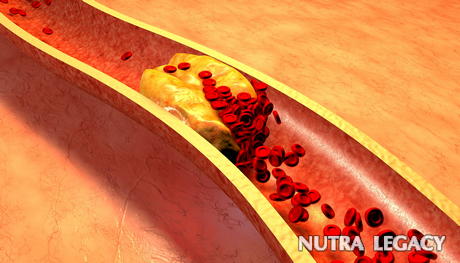
Clogged Arteries: Steps to Clear Them from Plaque

Arteries Blood Pressure
  • can cause numerous health problems. If you want to avoid surgery to clear them, it’s best to be proactive
  • Symptoms of include: trouble breathing, chest pain and pain the legs and arms
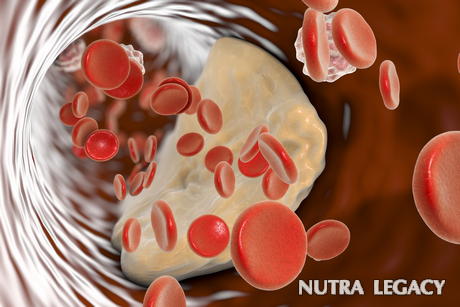
  • builds up over time. It happens when the inner walls of the artery hardens
  • To help the body repair itself: quit smoking, lower your blood pressure, exercise regularly, control blood sugar and

(more…)

Connection between Circulatory System and Mental Health

Circulatory System

  • Our circulatory system is a crucial part of our health. Without it working well, there can be devestating effects including a negative affect on your mental health. Research shows there may be a link showing a poor circulation system could lead to Alzheimer’s disease
  • A severely can also lead to paranoia, short term memory loss and confusion
  • Research shows that the best way to is eating right and exercising

(more…)

How to Unclog Arteries Naturally

How to Unclog Arteries

  • are part of an and can be dangerous. However, it can be naturally unclogged
  • is built up of cholesterol, fat, calcium, inflammatory cells, waste material, protein and fibrin floating around the body. The plaque hardens leading to an impaired circulatory sytem
  • Before doing anything, you should consult your cardiologist. The best way to clear is to add systematic enzymes into your diet. This will

(more…)

Red Wine Can Be Good for Circulatory System

Circulatory System

  • Research shows for an . Compounds found in red wine could protect blood vessels and significantly reduce levels of free radicals to work to
  • Yet, drinking too much wine can have the opposite effect. A study published in 2008 found that more than one glass of alcohol could put people at risk for heart problems
  • Moderation is key to experiencing the benefits of red wine for your health

(more…)

Body Detoxification Helps with Poor Circulation

Body Detoxification

  • is when the body uses its to rid of any additional waste and toxins in the body
  • Benefits of body detoxification include: improving poor circulation, improving energy levels, reducing body’s water retaining ability, reducing premenstrual symptoms and creating clearer/healthier skin
  • Advice to : begin slowly, increase fluid intake, and activity levels
  • What to avoid during detox process: caffeine, nicotine, alcohol, saturated fat, sugar and foods that are difficult to digest

(more…)

Diets to Improve Your Blood Circulation

Improving Circulation

  • Blood is one of the most important parts of our bodies because it carries the oxygen and nutrients throughout. Impaired circulatory systems can cause a wealth of problems. Eating properly and exercising can
  • Foods to eat to prevent : oranges, melon, pumpkin seeds and any fish
  • High cholesterol is also known to increase so it’s a good idea to lower HDL and LDL cholesterol
  • Herbal supplements to : cayenne pepper, ginko biloba, rosemary, sassafras and red clover tea
  • (more…)

    The Basics of the Circulatory System

    Arteries and Veins

    • Even if you don’t have an , understanding the circulatory system will help you know more about how to
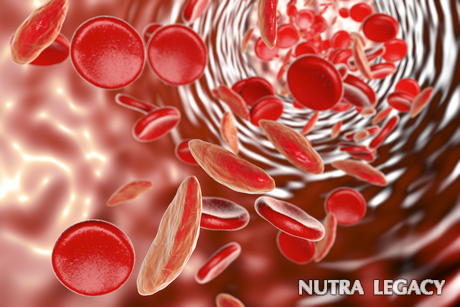
    • There are technically two circulatory systems in our bodies: the pulmonary system and the systematic circulatory system. The pulmonary system connects the heart to the lungs while the systematic circulatory system ensures that blood pumped through the heart reaches every part of the body
    • The parts of the circulatory system are: the heart, blood vessels, veins, capillaries and arteries
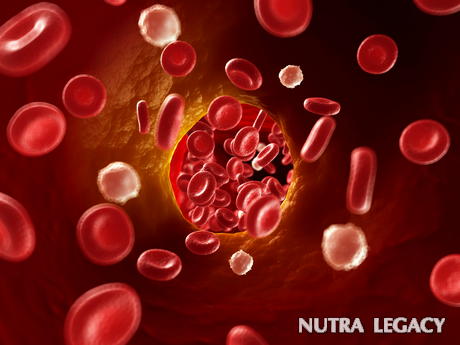
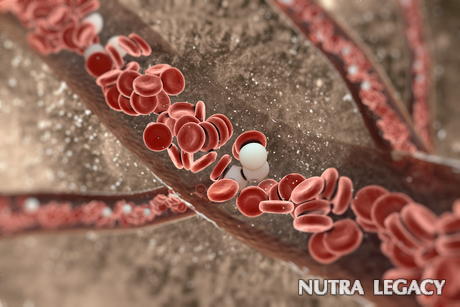
    • Most importantly is the heart. The human heart consists of four chambers separated by muscular walls. The arteries and veins help the heart by pumping the blood through the body. Connecting the arteries and veins are capillaries. These capillaries ensure that nutrients and oxygen end up reaching the cells of the body

    (more…)

    Do You Have Thin Blood or Thick Blood?

    Thin Blood and Thick Blood

    • Thick blood and thin blood are signs of an
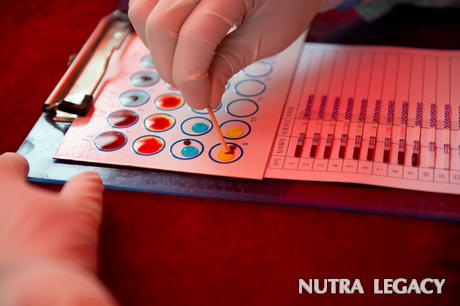
    • Thick blood (aka hypercoagulability) is where the blood is abnormally thick as a result of a kink in the clotting process. Hypercoagulability can lead to widespread hormonal and nutritional deficiencies.
    • Symptoms of thick blood: slow bleeding, abnormal blood thickness, hormonal and nutritional deficiencies, miscarriages and one or more chronic conditions
    • Causes of hypercoagulability: family history of thrombosis, genetic predisposition, viral infections and disruption of nutrient/oxygen delivery throughout the body
    • Thin blood (aka thrombocytopenia) is where’s not enough platelets in the blood. These platelets clumps together to form plugs in blood vessel holes to stop blood loss. Treatment depends on the condition
    • Symptoms of thin blood: spontaneous nosebleeds, prolonged bleeding from cuts, body rashes, easy bruising
    • Causes of thrombocytopenia: increased removal of platelets from the liver/spleen or bloodstream, flow platelet production in bone marrow

    (more…)

    Methods to Increase Blood Circulation

    Increase Blood Circulation

    • Blood is essential to our body. can lead to serious health consequences. It’s imperative to find ways to
    • Problems associated with poor circulation are heart attack risks, stroke, tingling and numbness in hands and feet. The top two causes are diabetes and peripheral artery disease

    (more…)

    View all articles