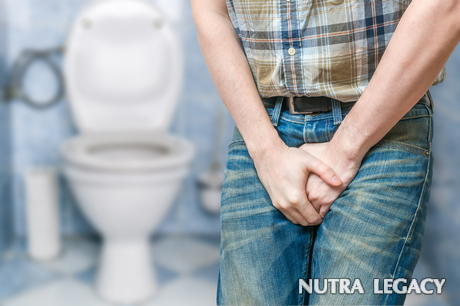
- Urinary incontinence is fairly common, especially among people over the age of 65, and can be caused by a wide range of things, including menopause, childbirth, prostate problems, and urinary problems
- Drugs used to treat urinary frequency can sometimes be used to treat this condition if behavior methods, such as Kegel exercises, do not help
- Bladder suspension surgery is sometimes used as a last resort for severe cases of incontinence
- Super Saw Palmetto helps men with urinary problems and also helps with ED.
Urinary incontinence is a surprisingly common problem, primarily among women. A survey conducted in 1996 found that more than 13 million people age 15 to 64 suffer from this condition. Over 65, the number increases dramatically. In fact, more than 70% of women living in nursing homes have this problem. The question though is not whether or not the condition is common enough to ignore but whether a cure is out there.
Causes of Urinary Incontinence
While urinary problems, such as infections, can be a temporary cause of urinary incontinence, the problem is also frequently caused by obesity or pregnancy because of the increased pressure on the bladder. After having a baby, the pelvic muscles which help control the flow of urine become weaker so holding in urine as you laugh or cough becomes a challenge. Physical changes after menopause, prostate problems, and diseases like diabetes can also lead to this problem.
This problem should be confused with an overactive bladder which increases your urinary frequency.
Treatment Possibilities
For mild cases of urinary incontinence, you can sometimes correct the problem with behavior methods. Kegel exercises can be done by tightening the muscles used to control the flow of urine while counting to three then releasing. You can repeat as many times as you want and can do the exercises almost anywhere. These are especially important right after giving birth. Delaying trips to urinate and making timed bathroom stops is another way to train your bladder and to correct the problem. Sometimes drinking fewer fluids, avoiding alcohol and caffeine, or losing weight can also reduce urinary incontinence, as well as urinary frequency.
When your problem is a little more severe, you may need to use medications as a treatment. Antispadmodic drugs which calm down the bladder can be used. Some antidepressants are used occasionally to relax the bladder itself. While that may not seem like a good idea, this relaxation causes the muscles at the head of the bladder to contract which helps hold urine in.
In more severe cases, other treatments are required. Urethral inserts and pessary rings are available for women by prescription and can be used to prevent urine leakage. The former is only for temporary blockage during a particular activity, for example. The latter can be left in but needs to be removed occasionally for cleaning. Another approach is to use electrical stimulation which will make the pelvic muscles stronger.
A last resort in most cases is surgery, such as bladder suspension surgery. With this treatment, your surgeon will cut into your abdomen and attach the neck of the bladder to a ligament within your pelvic area so it does not sag. The surgery itself only takes an hour and you’ll be completely asleep during the process. However, recovery time is long – usually six weeks – and you will be required to use a catheter for urination during much of that time. Of course, there are other surgical treatments for this condition, including the injection of bulking agents into the urethra.
If you are a man struggling with bladder problems, there is a natural supplement that could be your saving grace. Check out a product called Super Saw Palmetto which helps men with urinary problems and also helps with ED.
10 Apr 2009 |
|
|

10 Apr 2009


Two babies later and I totally understand what laughing and coughing is all about. I was lucky in that I am one of the people Kegal exercises help, but I know plenty of others who would benefit from the treatments listed here.