

Omega 3 fatty acids – The What, Why and How
Omega 3 fatty acid is an example of an essential health nutrient, and is also referred to as polyunsaturated fat. The Omega 3 fatty acids diet is beneficial for a variety of bodily functions, like building brain cell membranes, controlling the clotting of our blood, preventing the possibility of strokes, and protection from heart disease. In addition, some new studies are revealing other advantages of the Omega 3 fatty acids diet, such as the prevention and aid of conditions such as inflammatory bowel disease, some types of cancer, rheumatoid arthritis, lupus, and other autoimmune diseases.
The Body Can’t Do the Job
Since the body is incapable of creating its own Omega 3 fatty acid, our diet has to deliver it to us. If your body is not getting enough Omega 3, you may notice brittle nails, asthma, dry skin and hair, eczemas, and other symptoms. Red cell blood findings will probably be abnormal. However, it is also possible to “overdose” on Omega 3, particularly if you tend to bleed or bruise easily or if you are taking blood thinners. In these cases, you should talk to your doctor before significantly increasing Omega 3s in your diet.
One a Day
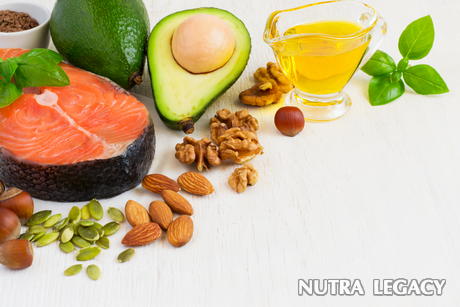
Apart from that, you should try to eat more Omega 3 fatty acids, because, unfortunately, most Americans are lacking these in their diet. If you want to sustain a healthy body, your goal should be to get at least one Omega 3 fatty acid source each day. It may come from ground flaxseeds, a handful of walnuts, one serving of salmon (or other fatty fish), or a tablespoon of soybean or canola oil.
The American Heart Association is adamant about eating Omega 3s. They recommend eating different types of fatty fish twice a week or more. These include salmon, mackerel, and tuna. If you suffer from heart disease, it would be very beneficial to get at least one gram of Omega 3s every day, and even better if it came from fatty fish. Ground flaxseed is also an excellent choice, as it also contains fiber (3 grams of fiber in each tablespoon, so you can’t go wrong).
Food or Supplements?
A common question is whether Omega 3 supplements are as good as eating the actual foods. Of course, foods are better, because apart from Omega 3s, they contain other useful nutrients like minerals, vitamins, and proteins. However, if you really can’t stomach any of the foods with Omega 3s, you should consider taking supplements, starting with 500 mg per day. If you have already suffered a heart attack, higher doses of Omega 3 supplements may be recommended (around 1000 mg). This is something you should always discuss with your doctor first to see if Omega 3 supplements are right for your and in what dosage.
For more information, go to:
http://en.wikipedia.org/wiki/Omega-3_fatty_acid
http://www.nlm.nih.gov/medlineplus/druginfo/natural/993.html
The information supplied in this article is not to be considered as medical advice and is for educational purposes only.
|
| ||||||||||||||


 27 Jun 2011