

7 Effective Ways to Lower Cholesterol without Drugs!
If you have high cholesterol levels, you may have thought about taking cholesterol-reducing drugs. However, doing something naturally is always better than artificially inducing it. You can lower cholesterol without drugs by making a few diet and lifestyle changes. Here are 7 powerful tips on lowering cholesterol naturally.
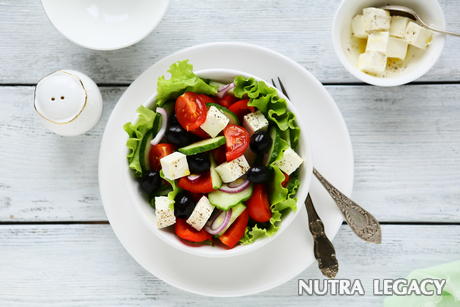
1. Lose the extra weight. This is perhaps the most obvious way to lower cholesterol without drugs, since there is considerable stress on the body that comes from those extra pounds you may be carrying. It is difficult for the body to process excess fat, so losing weight is one of the essentials of lowering cholesterol naturally.
2. Reduce massively the high-cholesterol foods in your diet. You should avoid products that are high in saturated fats. These include red meat, whole-fat milk products, egg yolks, and chicken skins. High cholesterol levels are largely the result of a high intake of saturated fats, so limiting them in your diet will be a crucial step to lowering cholesterol naturally. You should also avoid hydrogenated oils and trans fats, which are huge contributors to high cholesterol levels. Watch out for high levels of these in some processed goods.
3. Eat the right fats. In the past many people mistakenly believed that all fats were bad. While saturated fats are certainly unhealthy, you should actually strive to get more monounsaturated fats. These can be found in products like avocado, almonds, walnuts, and olive oil. These fats will actually help lower cholesterol without drugs.
4. Get more fiber in your diet. Fiber is a well-known component of a healthy diet, and it helps with lowering cholesterol levels. Fiber helps absorb excess fat and makes the person feel physically better, in addition to its other endless benefits for your body. Foods that are high in fiber include vegetables, fruit, and legumes.
5. Exercise, exercise, exercise! Yes, you’ve heard it many times before, but it can never be repeated enough if you want to lower your cholesterol naturally. Because exercise increases your metabolism and helps you shed those extra pounds, you can rely on it to help you reduce cholesterol levels too. Find the type of exercise you enjoy and stick to it if you want to see results.
6. Stop stressing. You may not have thought about it before, but stress does contribute to high cholesterol levels. Stress makes blood vessels constrict, which only reinforces the negative effects of high cholesterol. Even if you were to just stop stressing out about small every day things, it could make a big difference.
7. Quit smoking. Not many people are aware of the fact that ingredients in cigarette smoke are highly oxidizing. When you smoke the cholesterol in your body gets oxidized, and so becomes even more dangerous to your body. So, if you quit smoking, you will stop exacerbating the already harmful effects of high cholesterol.
For more information, go to:
http://www.lower-cholesterol.org/
The information supplied in this article is not to be considered as medical advice and is for educational purposes only.
|
| ||||||||||||||


 13 Jul 2011