

A Few Natural Anti-Bacterial Agents
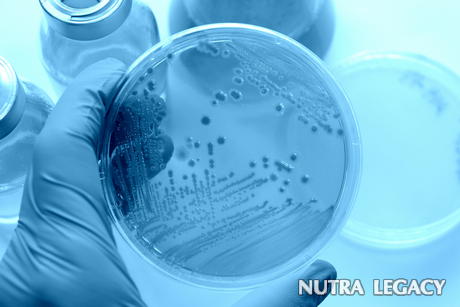
- Antibiotics remain the number one treatment method for bacterial agents, however, natural options do have some antibacterial properties that can also help
- Some herbal remedies show promise in the antibacterial department
When we have a bacterial infection, most of us turn to our physicians for a prescription for antibiotics. These antibiotics are formulated to kill the bacteria and therefore, we feel better. However, the overuse of antibiotics has made them less effective and has led to the development of some antibiotic-resistant bacterial strains. While antibiotics are still the best treatment for very serious bacterial infections, there are some naturally occurring anti-bacterial agents which show promise, as well as one that should be avoided.
Colloidal Silver
Many decades ago, silver was considered to have some anti-bacterial properties. The belief is that the bacteria’s cells absorb the silver which makes it difficult for them to take in oxygen thus causing them to die. Other research shows no real connection between silver and anti-bacterial properties. However, colloidal silver (a liquid containing silver particles) products are on the market today as supplements that will supposedly fight several types of bacterial infections.
Some research has shown that a few of the colloidal silver products on the market do fight bacteria in the lab. However, the consumption of silver can lead to severe side effects including a permanent condition known as argyria, a permanent condition which causes discoloration of the skin, some organs, gums and nails. Other effects can include headaches, stomach problems, kidney damage, seizures, and fatigue. Silver can also interfere with prescription antibiotics such as penacillamine and tetracycline in addition to drugs such as quinolones and thyroxine.
Over-the-counter colloidal silver products are not considered by the U.S. Food and Drug Administration (FDA) to be generally recognized as safe and effective for diseases and conditions. Because of its limited potential for effectiveness and its risks, colloidal silver may not be the best choice for a natural anti-bacterial agent.
However, there are two other options that show more promise.
Garlic
We may already love garlic in our favorite foods, but more recent research has suggested that garlic contains a chemical that can actually fight bacteria in our bodies. This chemical agent is called Allicin and is found in large quantities within garlic. Two studies have shown Allicin to be effective in combating even antibiotic-resistant strains of bacteria, sometimes known as “superbugs.”
One of the studies found that consuming garlic as a way to combat these bacteria had another benefit, specifically, the bacteria did not develop a resistance to the garlic. That means the effectiveness of Allicin could continue indefinitely unlike the effectiveness of modern antibiotics.
While consuming garlic supplements or adding more garlic to our food can help combat some types of antibiotics, researchers are also looking at ways to begin using Allicin in hospitals to prevent infections around wounds or surgical areas. The garlic derived agent could also turn up in antibacterial soaps and other similar products as a tool to combat the spread of bacteria.
Oregano Oil
Another potential natural anti-bacterial agent is oil derived from oregano. Recent studies conducted at Georgetown University have discovered that one of the components of oregano – carvacrol – has been shown to treat bacterial infection as well or better than modern antibiotics. Carvacrol may be an effective remedy to drug-resistant bacteria.
In the research, oregano oil was used against a common bacterium known as staphylococcus (this bacteria causes staph infections and other serious health problems) which is quickly developing a resistant to many of the most powerful antibiotics on the market today. Even at low doses, the oil was shown to slow down the bacteria’s growth. While this test was done in a test tube, a follow up test was conducted using mice. The results showed that more than half of the mice treated with oregano oil survived at least 30 days compared to 3 days for those treated with just plain olive oil.
The information supplied in this article is not to be considered as medical advice and is for educational purposes only.
|
One Response to “A Few Natural Anti-Bacterial Agents” | ||||||||||||||


 18 Oct 2008
This is very useful to know, because it's true that antibiotics are overprescribed to us already, and the bacteria is mutating so quickly that pretty soon antibiotics won't even help. Are there any other natural anti-viral substances anyone can share? Everyone should be aware of these.January 19th, 2011 at 6:33 am