| Dietary Supplements | Health Conditions | Healthy Nutrition | Natural Remedies | Skin Care | Metabolism | Cardiovascular Health |
Diabetes Prevention
Best Natural Sugar Substitutes
![]() |
|
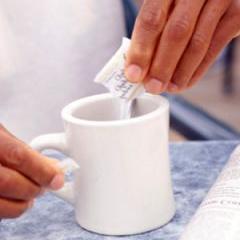
| Natural sugar substitutes can be used to replace this component in foods and beverages, with fewer calories and more advantages if you suffer from diabetes or have other medical problems. What makes sugar substitutes so sweet? This is caused by certain compounds in specific plants and natural foods, including mogrosides and saccharides. These compounds are what makes sugar substitutes so sweet. The best sugar substitute for diabetics can include a number of the natural alternatives that do not affect blood insulin levels like the real deal does. One of the natural sugar substitutes is called Stevia, and this is an herb which originates in South America. It is hundreds of times sweeter than table sugar but has few calories, it can be used as desired by diabetics, and it has a proven record of safety that goes back hundreds of years. (more...) | |
19 Feb 2010 | Comments (0) |
What Makes Sugar Substitutes so Sweet?

What makes sugar substitutes so sweet? The answer to this depends on the substitute being used. There are many natural sugar substitutes which may also be the best sugar substitute for diabetics in a number of cases. One of these is an herb called Stevia which has been used for hundreds of years, is completely natural, and contains nutrients in addition to a very sweet taste. The compounds found in this herb are what makes sugar substitutes so sweet in many cases, and it has no glycemic index or calories. Unlike many man made products, most natural sugar substitutes have nutrients included as well, and may help with digestion and good health. Birch sugar, also known as Xylitol, is another great choice, because this substitute is absorbed slowly and is very low on the glycemic index.
(more…)
3 Feb 2010 | Comments (0) |
What is the Best Sugar Substitute for Diabetics?

What is the best sugar substitute for diabetics? If you or someone you care about has diabetes, natural sugar substitutes can be used in place of sugar to help control your condition without feeling deprived of taste. What makes sugar substitutes so sweet though? This depends on the product you are using, and the answer is usually naturally occurring compounds. These compounds are what makes sugar substitutes so sweet without all the calories. The best sugar substitute for diabetics is one that will not raise your blood sugar levels or cause a fluctuation in insulin production or use in your body. There are a number of different products to choose from, including Splenda, Equal, Stevia, and others. Remember that not all of these products are the same though, and some can be used for cooking while others will not work as well when heated up to higher temperatures.
(more…)
12 Jan 2010 | Comments (0) |
Tips on How to Control Your Blood Sugar Level

- Understanding how to control your blood sugar levels can save your life if you suffer from certain medical conditions, like diabetes
- Some diabetes, like diabetes insipidus, are not caused by your blood sugar but have another cause instead
- Kepping control of your blood sugar levels can prevent many complications which could cost you a limb, or even your life
29 Jul 2009 | Comments (0) |
What are the Early Signs of Diabetes?

- Recognizing the early signs of diabetes can help you stay healthy and diagnose the disease early
- Early diagnosis is critical to controlling the disease with both diabetes insipidus and diabetes mellitus
- Frequent urination and excessive thirst are both early signs of diabete
24 May 2009 | Comments (1) |
Blueberry Leaf Extract: Helps to Lower Blood Sugar Levels

- Blueberry leaf extract has been shown in several studies to lower blood sugar levels when taken daily
- Blueberries contain a compound that inhibits the enzyme responsible for regulating glucose in our bodies
- Blueberries also provide other health benefits, including reducing inflammation and lowering triglyceride levels in the blood
2 Mar 2009 | Comments (3) |
Diabetes and Alcohol: Learn the Facts

- Alcohol can cause diabetics to have low blood sugar
- Red wine may be able to reduce insulin resistance
- Moderation is the key if you want to safely combine diabetes and alcohol
24 Feb 2009 | Comments (2) |
Cinnamon Extract: Makes Insulin to Work More Efficiently

- Cinnamon has been shown in at least two published studies to reduce blood sugar levels in patients
- MHCP, a compound found in cinnamon, may be responsible for the reduction because it can actually do insulin’s job in the body
- One study also found that cinnamon can lower LDL cholesterol by as much as 26%
20 Feb 2009 | Comments (1) |
Hypoglycemia and Hyperglycemia: Their Effects on Diabetes

Hypoglycemia and Hyperglycemia
- Hypoglycemia results when blood sugar is too low
- Hyperglycemia is condition brought on when blood sugar is too high
- Low blood sugar symptoms can include nervousness, shakiness, hunger, dizziness, confusion, and can be caused by missing a meal or not eating enough sugary foods
- High blood sugar symptoms result when the body cannot produce enough insulin
13 Feb 2009 | Comments (1) |
Homeopathic Treatment for Blood Sugar Problems and Diabetes

- Diabetes mellitus is a common medical problem caused either when your body is unable to produce insulin in sufficient amounts, or when your body’s cells are unable to use this insulin. This in turn prevents your body from being able to turn sugar into the energy it needs.
- Hypoglycemia or hyperglycemia can occur when your blood sugar isn’t between the normal levels.
- Any diabetic considering homeopathic help for their condition should consult their doctor to discuss whether such treatment could be appropriate.
14 Jan 2009 | Comments (1) |
Truth about Ideal Blood Sugar Levels

- Normal range for blood sugar is considered to be between 80 and 100, however, blood sugar levels fluctuate through the day depending on when and what you eat, how much exercise you take and your level of stress.
- Keeping your blood sugar levels within healthy limits reduces the risk of developing diabetes.
7 Jan 2009 | Comments (2) |
Children Diabetes Symptoms That Should Not Be Overlooked

- nsulin is needed to allow your body’s cells to use up the glucose in your blood for energy. Without insulin, your body can’t use that sugar and you have a build-up of sugar in your blood.
- Signs include: an increase in urinating, an increase in fatigue and slowly healing cuts.
30 Dec 2008 | Comments (1) |
What Are Normal Glucose Levels?

- Keep in mind that there are a number of different ways physicians can determine whether you have normal glucose levels.
- There are two tests you could take: fasting glucose test and oral glucose tolerance test.
3 Dec 2008 | Comments (1) |
Facts about Low and High Blood Sugar Levels

- When you eat foods high in carbohydrates, those carbs become sugars in your body and the sugars are then used by the cells as energy. Insulin, which is created in your pancreas, is responsible for helping the sugars (glucose) get into the cells. However, if you body cannot make enough insulin for all the sugars present, you will end up with excess amounts of glucose floating around in your blood
- Patients who are hypoglycemic can have bouts of low blood sugar levels. This means the amount of glucose in their blood falls to unhealthy levels, usually because they have too much insulin in their bodies or because they have not eaten in some time.
- Patients who have been diagnosed with diabetes most frequently suffer from high blood sugar levels.
29 Nov 2008 | Comments (0) |
Sugar Buzz: What Is It?

- Research now suggests that “sugar buzz” is a myth and that for many people, eating too much sugar actually has the opposite effect.
- Many foods high in sugar – chocolate and soda, for example – contain caffeine that can cause these types of reactions in some people.
19 Nov 2008 | Comments (0) |
How to Spot Symptoms of High Blood Sugar

- Diabetes develops because the pancreas is no longer able to produce insulin in sufficiency to deal with the high levels of sugar we consume.
- In most cases, the symptoms of high blood sugar require lifestyle changes. You may need to adjust your diet in order to decrease the amount of sugar and carbohydrates you ingest.
16 Nov 2008 | Comments (1) |
High Blood Sugar Levels Can Be a Culprit behind ADHD Children

- Some nutritionists are now suggesting that if you have problems with your hyperactive children the issue might be caused by blood sugar changes.
- While there are some competing ideas out there which may make it confusing to deal with hyperactive children, the best solution is to have your child’s blood sugar checked by your physician if you are concerned.
11 Nov 2008 | Comments (0) |
Blood Sugar as One of Blurred Vision Causes

- Glucose is used by the body’s cells as an energy source and metabolic intermediate. Glucose is transported to the body from the intestines through the blood.
- Right after a meal your blood glucose level rises. About two hours after a meal, your blood glucose level decreases. If a person is affected by high blood sugar, he or she may become thirsty, hungry, experience blurred vision, frequent urination, lethargy and headache.
22 Oct 2008 | Comments (0) |
All You Wanted to Know About Healthy Glucose Levels

- Glucose is the energy form preferred by your body to function and operate as needed. When you eat carbohydrates they are broken down by your body in a process called catabolism into their simplest form, called glucose.
- Glucose is essential to your body, but it’s important to pay attention to the glucose (blood sugar) level because too much or too little can cause serious medical conditions, some that may even become life threatening.
20 Oct 2008 | Comments (0) |
Warning Signs of Diabetes

- Diabetes is a medical condition that can become life threatening if it is not recognized and treated. There are two main types of diabetes, Type 1 and Type 2, and the causes and treatment are different for each.
- Many people with diabetes may feel tired all the time, no matter how much sleep they get. Blurred vision and dry itchy skin are two other signs that you may have diabetes without being aware of it. Rapid breathing and headaches can also signal diabetes.
26 Sep 2008 | Comments (2) |

19 Feb 2010