| Dietary Supplements | Health Conditions | Healthy Nutrition | Natural Remedies | Skin Care | Metabolism | Cardiovascular Health |
Heart Health Care
Easy Ways to Avoid a Heart Attack
![]() |
|
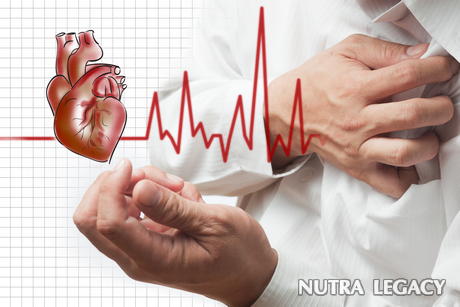
| Men are at higher risk of heart attack than women. Most heart attacks are caused by the way we live, and can often be avoided with lifestyle changes. Here are some easy ways to avoid a heart attack. (more...) | |
13 Nov 2009 | Comments (0) |
Can Ayuverda Remedies be Effective for Cardiovascular Disease?

- Ayurveda remedies can help treat a number of diseases
- Cardiovascular disease is a serious condition that must be treated or it can become life threatening
- Ayurveda treatment is effective for cardiovascular disease
13 Mar 2009 | Comments (7) |
Hereditary Heart Disease Risks

- If you have a family history of coronary artery disease, it’s a heart disease risk factor
- Major heredity risk factors include: diabetes, obesity, hypertension and cholesterol abnormalities. Be aware of your LDL and HDL cholesterol levels
3 Mar 2009 | Comments (1) |
Risk Factors for Coronary Heart Disease

- Coronary heart disease is on the rise but some risk factors can be controlled. Be aware of what causes heart disease
- There are three major factors that cannot be changed. They are increasing age, gender and heredity issues
- People 65 and older, especially women, are more likely to die from heart attack
- African Americans with high blood pressure, Mexican Americans, American Idnians, native Hawaiians and some Asian Americans are more prone to develop heart disease
12 Jan 2009 | Comments (0) |
No More Heart Disease Lifestyle Attitude

- If you know how to prevent heart disease, you probably won’t have many problems later in life
- There are some risk factors you cannot change but there are some you can. These include: high blood pressure, smoking and physical activity
- Some other forms of heart disease: heart failure, heart arrhythmia and congenital heart disease
- Dietary supplements can also help maintain a heart healthy lifestyle. One example is Cholest Solve 24/7
7 Jan 2009 | Comments (0) |
Connection between Cardio Health and Brain Functions

- The growing risk of heart disease may have a connection between our cardio health and brain functions. Our poor diets and reliance on fast food have a serious consequence on our brain functions
- Not much is known about Alzheimer’s Disease but there may be a link between cardiovascular health and this disorder
- A poor diet also plays a role in heart disease. Following a healthy heart diet plan is important
22 Dec 2008 | Comments (0) |
All You Need to Know about Cardiac Arrhythmia

- Heart problems are usually serious but cardiac arrhythmia is usually harmless for your overall cardiovascular health
- Cardiac arrhythmia is just an irregular heartbeat. More than 800,000 people are put in the hospital a year because of it
- They can happen to anyone but sometimes cardiac arrhythmias are symptoms of coronary heart disease and could be followed by a heart attack
- Diagnosis will include visiting a cardiologist. Some tests you may encounter are an electrocardiogram and a heart ejection fraction measurement
21 Dec 2008 | Comments (0) |
Healthy Weight Loss Plan for Your Heart and Circulatory System

- Healthy weight loss can do wonders for your health and can improve poor circulation
- Benefits of a healthy weight loss plan include: helping high blood pressure, reducing risk of coronary atherosclerosis and can help control blood sugar levels
- To help your circulatory system, begin eating a healthier heart diet and incorporate cardio exercises into your everyday life
15 Dec 2008 | Comments (0) |
Heart Ejection Fraction Measurement for Heart Disease Prevention

- Ventricular ejection fraction usually points to heart disease and the test can be done right in your doctor’s office
- Gall bladder disease and heart disease can have the same symptoms. Once your doctor rules out gall bladder disease, he or she will look at the possibility of heart problems
- The ejection fraction is the amount of blood your heart sends to the rest of the body through the circulatory system with each contraction
- A normal cardiac ejection fraction is between 45 and 60 percent. Any number higher or lower will require further investigation. If over 60 percent, it’s an indicator of high blood pressure
11 Dec 2008 | Comments (2) |
How Does the Heart Work?

- Cardiovascular health is on the decline. One step in the right direction is to understand how the heart works
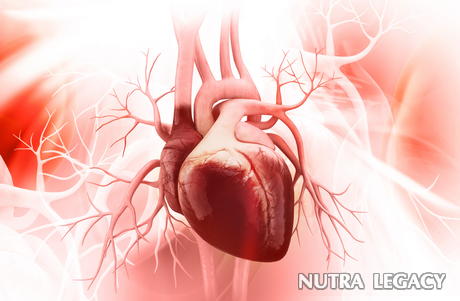
- The heart is responsible for sending oxygen-rich blood to every extremity of our body. The human heart is a four-chamber heart. Two of these are at the lower level called the left and right ventricles. The upper chambers are called the left and right atria
- Ventricles fill with blood and release to fill the whole body. After blood circulation is complete, it’s back to the atria where some blood will be circulated through the heart itself
- The heart beats about 75 times per minute
20 Nov 2008 | Comments (0) |
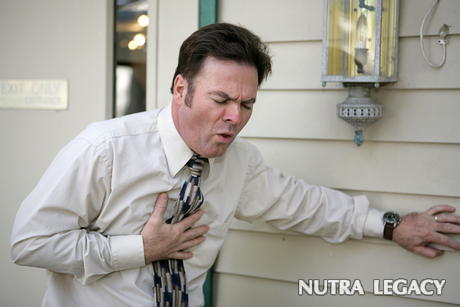
What to Do If You Think You Might Be Having a Heart Attack

- If you have heart disease, you should be prepared for a heart attack. Every minute counts during a heart attack
- Symptoms of a heart attack include: angina, dizziness, cold sweat or nausea
- Take quick action. First, you must call 9-1-1. Then, you should consider taking an aspirin or nitroglycerin, if you have it
- If you or someone in your family is at risk for coronary artery disease, it’s a good idea to be CPR certified
- After the immediate danger has passed, you may need to work to open clogged arteries or bypass surgery to help improve poor circulation
3 Nov 2008 | Comments (0) |
All You Need to Know about Prevention of Heart Disease

- Cardiovascular health is important for a long life. There are ways to lower your risk for heart disease
- A great way to protect against heart disease is cholesterol control. Be aware of your HDL cholesterol and LDL cholesterol. You want to avoid high cholesterol and smoking cigarettes
- You should also monitor your weight. A good way to do this is by using the body mass index
2 Sep 2008 | Comments (1) |

13 Nov 2009